

It can be a challenge to maintain business rules and classifications when working on data quality and solution end. However, if you find that your business is introducing a data privacy protection initiative across the platform, it shows that they understand the importance of safeguarding data.
These days #recruiters are looking for Business Analysts, product owners or managers to show their strength in the data governance area. Data governance is crucial for maintaining data privacy, quality, and guardrails in financial and non-financial institutions.
An encouraging trend among businesses is the effort to establish a framework of policies and rules for data privacy and protection.
APRA and Regulatory Role in Data Quality
APRA plays a crucial regulatory role in maintaining the quality of data within Australia’s financial sector. By setting standards, enforcing compliance, and monitoring the accuracy of financial data, APRA helps to uphold trust in the Australian financial system and mitigate systemic risks.

Why Companies Need to Focus on Data Governance
Effective data governance is not only a best practice but also a necessity for companies operating in Australia. It plays a vital role in helping them navigate the complex regulatory environment, maintain trust, reduce risks, and leverage the power of data for competitive advantage and innovation. Data governance is an essential component of responsible and effective data management.
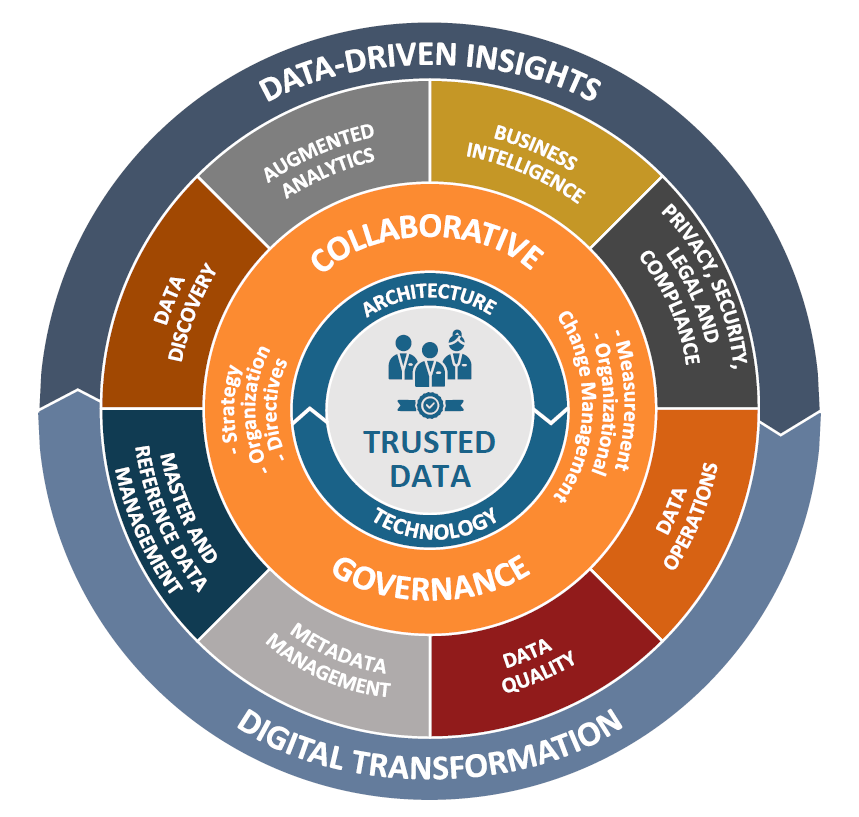
Data Governance various aspects
Data Security and Compliance: Financial institutions handle extremely sensitive information, such as customer financial data. To protect this data from breaches and cyberattacks, it is vital to implement robust data governance and privacy practices. Full compliance with data protection regulations, including GDPR, HIPAA, and industry-specific standards, is critical to preventing legal and financial consequences.
Risk Mitigation: Effective data governance helps financial organizations mitigate risks associated with data breaches, fraud, and financial crimes. It ensures that data is accessed and used by authorized personnel, reducing the likelihood of unauthorized activities.
Trust and Reputation: Trust is crucial in the financial sector; a data breach or mishandling of customer data can severely damage an organization’s reputation. Implementing robust data privacy practices and maintaining data quality enhances customer trust and the organisation’s reputation.
Regulatory Requirements: Financial organizations must comply with data-related regulations. Implementing data governance and privacy measures ensures adherence to requirements and avoids penalties.
Data Quality and Accuracy: Financial organizations require high-quality, accurate data to inform decisions, manage risk, and comply with regulations.
Operational Efficiency: Data governance and data quality practices streamline data management processes, reducing manual data cleansing and reconciliation efforts. This results in increased operational efficiency and cost savings.
Customer Experience: Financial organisations must prioritize exceptional customer experience through consistent, accurate, and available customer data governance practices.
Data Analytics and Insights: Data governance and data quality practices enable accurate and timely data analysis for financial institutions to gain valuable insights into customer behaviour, market trends, and risk assessment.
Innovation and Competition: As the financial sector becomes more competitive, organizations must prioritize innovation. By implementing effective data governance practices, these organizations can establish a strong foundation for innovation and explore new financial products and services.
Globalisation: In a globalised world, financial organisations must navigate international data privacy regulations and ensure the security of cross-border data transfers. Data governance and privacy practices help meet these challenges.
Fraud Prevention: Data governance and quality practices aid in fraud prevention by ensuring accurate transactional data and real-time anomaly detection.
Data Monetization: Financial organisations must have well-structured data governance practices to monetise their data assets ethically and in compliance with regulations.
Non-financial organizations Trends
The trend for non-financial organizations is not different from what we explored in financial organizations. Data protection is a primary need for each industry and domain to ensure the success of the organization.
To conclude, it is vital for financial organizations to adopt data governance, data guardrails, data privacy, and data quality practices to securely manage data, comply with regulations, maintain trust, make informed decisions, and remain competitive in an industry that is increasingly data-driven and regulated. These foundational practices are crucial for the success and sustainability of financial institutions in the modern era.
“,”selector”:”woodmart-map-id-652cd7002e3bc”}’>
Praesent Iaculis sit Vehicula
Lap. 4 Tellus A17-B27